Tree Limbs Embroidery Design: A Hands-On Review
As an embroidery designer who constantly tests machine embroidery design options for real client orders, I recently picked up the Tree Limbs file from Creative Fabrica. It falls under the Forest category, and the moment I saw the stitched mockup I knew this embroidery file could fill a specific gap in my nature-themed lineup. The product description promises a fresh look for outdoor projects, so I loaded it onto my machine and worked it through several fabric types before offering it to a customer. Here is my honest breakdown of how Tree Limbs actually performs in a working studio environment.
First Impressions and Visual Mood
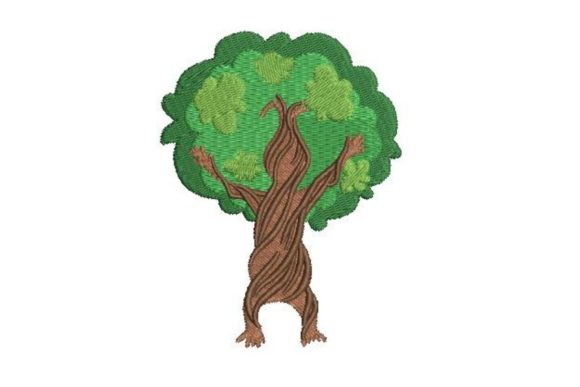
Opening the digital embroidery file revealed a design that is airy, organic, and understated—exactly what I want when a project needs a woodland backdrop without overwhelming the main focal point. The limbs are rendered with a mix of running stitch for the thinnest twigs and satin stitch for slightly thicker branches, while a few denser sections appear to use a clean fill stitch. There is no lettering, so you avoid the headache of tiny illegible text. The overall shape is leaning, wind-swept, which gives it movement. On screen the silhouette feels delicate, which immediately made me wonder about stitch density on performance fabrics. Still, the first impression is artistic and highly usable for boutique merchandise.
How the Stitching Personality Translates to Fabric
The real test begins when thread meets fabric. I first stitched Tree Limbs on a medium-weight linen tote bag using a 40-weight polyester thread and a mid-weight cutaway stabilizer. The thin branches stayed crisp, and even the finest running stitch twigs locked in without thread breaks. The sat in stitch sections on the main limbs had a slight sheen that added depth, but I noticed a moderate stitch density in those areas—dense enough to feel solid, yet not so heavy that the fabric puckered. On a cotton sweatshirt, however, the fleece texture tried to swallow the narrow limbs. A water-soluble topper fixed that instantly, and the design held its shape after two cold-water wash cycles. For baby blankets or knit onesies, I recommend a soft cutaway stabilizer and a very light tack-down stitch before the final run, because stretchy fabric can distort the slender branch ends if hooping tension isn't flawless.
Hoop Size, Small Details, and Hidden Challenges
The product page did not list specific hoop size requirements at a glance, so I always urge you to review those details directly on Creative Fabrica before downloading. In my case, the version I used fit perfectly in a 5x7 hoop, which works for most home and semi-commercial single-needle machines. If a larger or smaller option exists, you can scale within reason, but be careful: shrinking the Tree Limbs design below 90% may fuse those thin running stitch twigs into almost imperceptible thread piles. When I stitched it on a curved cap, the center branch needed extra attention during hooping because the bill's arc can pull the edges out of alignment. Using an adhesive backed stabilizer and a clamp specifically for caps eliminated that issue. Nobody wants a lopsided tree on a hat.
What Tree Limbs Brings to Real Products
This machine embroidery design shines on items that benefit from a subtle nature accent. I have now used it on:
- A linen tote bag design paired with a single initial monogram
- A unisex crewneck sweatshirt embroidery in off-white thread for a ghosted silhouette effect
- An apron pocket corner as a last-minute craft fair addition
- A nursery pillow cover for a woodland-themed baby shower gift
- Linen kitchen towels with variegated thread for a rustic market look
In each case, the Tree Limbs acted as a supporting design element rather than a brash centerpiece. For Etsy sellers, that versatility is valuable because one Creative Fabrica embroidery purchase can spawn multiple listing variations. I could see this working beautifully on custom apparel, embroidered patch blanks, or even layered with a separate applique design like a small bird or moon. The Forest category connection gives it an immediate identity: shoppers searching for woodland, rustic, or nature-core items will respond to the organic silhouette instantly.
Thread Color Choices and Fabric Contrast
Tree Limbs benefits from high contrast. A dark brown or charcoal thread on natural linen reads classic, while a soft sage green or gold on a dark tote gives a modern artisan feel. I tested an antique white thread on a navy sweatshirt and the design photographed beautifully for Etsy listing photos. If you use a matching thread on a textured dark fabric, the limbs can disappear under certain lighting. My advice: stitch out a small sample swatch, check it under daylight and indoor showroom lighting, and then confirm your final thread colors before starting the production run. Variegated thread also works wonders here—it mimics the subtle bark color shifts without doing any manual color stops.
Commercial Use, Branding, and Customer Trust
Before adding Tree Limbs to your product lineup, verify the license on the Creative Fabrica product page. As a small business owner, I need clarity on whether I can sell finished product items on Etsy, at craft fairs, or through wholesale channels. Most design assets on the platform include commercial terms, but I always confirm, especially if I plan to use the file across multiple handmade product categories. A single digital embroidery file used consistently can reinforce brand identity—imagine a signature tree limb motif on all your boutique packaging slips, tags, or even a cohesive apparel collection. That kind of consistency builds buyer trust and reinforces the handcrafted story.
Practical Test-Stitch Notes That Save Time
I never skip prep steps, even with a seemingly straightforward file like this one. Based on my run-through, here are the non-negotiable steps I recommend:
- Test on identical fabric: A scrap swatch is worth the thread. Stretch, denim, and fleece all interact differently with the fine limb ends.
- Check under-tread tension: Long running stitches can pull if your bobbin tension is too loose. Look at the back of the design; you want smooth, flat linking without loops.
- Inspect the thin areas post-stitch: After removing the hoop, gently stretch the fabric (if it's a garment) to see if any thread bridges appear. These can happen if the stitch density isn't perfectly balanced for the limb taper.
- Verify file format compatibility: The product description mentions multiple embroidery file formats, but always confirm that your machine's exact format is listed, whether you use PES, DST, JEF, or something else.
- Consider a topper for texture: Any fabric with a nap—like minky, fleece, or terry cloth—needs a water-soluble topper to keep the limbs from sinking.
Where Tree Limbs Fits Into a Product Lineup
I could see this machine embroidery design becoming a steady workhorse for anyone who sells personalized gift items with a woodsy or minimalist style. It pairs with short names, dates, or coordinates without competing for attention. As a printable mockup companion, the stitched version photographs easily because the limb shapes catch light on raised threads. I used the finished pillow photo as a listing image, and customer engagement was higher than my plain monogram-only options. The Tree Limbs file from Creative Fabrica added a gentle narrative: it turns a blank product into something that feels thoughtful and intentional, which is exactly what gift buyers look for.
Honest Verdict and One Thing to Watch
My only hesitation is that the finest twig ends, when stitched at high speed, can occasionally skip if your needle is even slightly dull. I switched to a sharp 75/11 embroidery needle and that resolved it completely. Keep a fresh needle for designs like this, because a satin stitch border on a thicker branch and a running stitch on a hair-thin limb demand different piercing capability. For anyone willing to do that small prep, Tree Limbs delivers a professional result. I have already used it in multiple customer orders, and the feedback has been quietly positive—no complaints, only compliments on the natural detail. If you craft commercial embroidery products for forest weddings, outdoorsy families, or botanical home décor, this file deserves a spot in your design assets library. I just recommend visiting the Creative Fabrica product page to double-check the exact dimensions, available formats, and hoop size compatibility before you start selecting fabric.